Recent Projects
Wetland Ecology


Wetlands are vital freshwater ecosystems, so research in this
area involves studying the unique plant and animal communities within
wetlands and the factors influencing them. The importance of tropical wetlands and floodplain areas in
the global carbon cycle is becoming increasingly apparent because these
ecosystems are among the largest aquatic/terrestrial carbon stores and, thus
they play a large role in the sequestration of carbon. Wetlands are unique
ecosystems, yet they are rapidly vanishing. Our strategic initiative is broadly aimed at understanding
the trophic connections between adjacent habitats that are usually conceptually
partitioned and considered in isolation (terrestrial, streams, river,
wetlands). Human activities constantly reshape these connections, with
consequences for both humans and the natural environment. [Funders: National Research Foundation, Universities of Mpumalanga and Venda]
Plastic Pollution
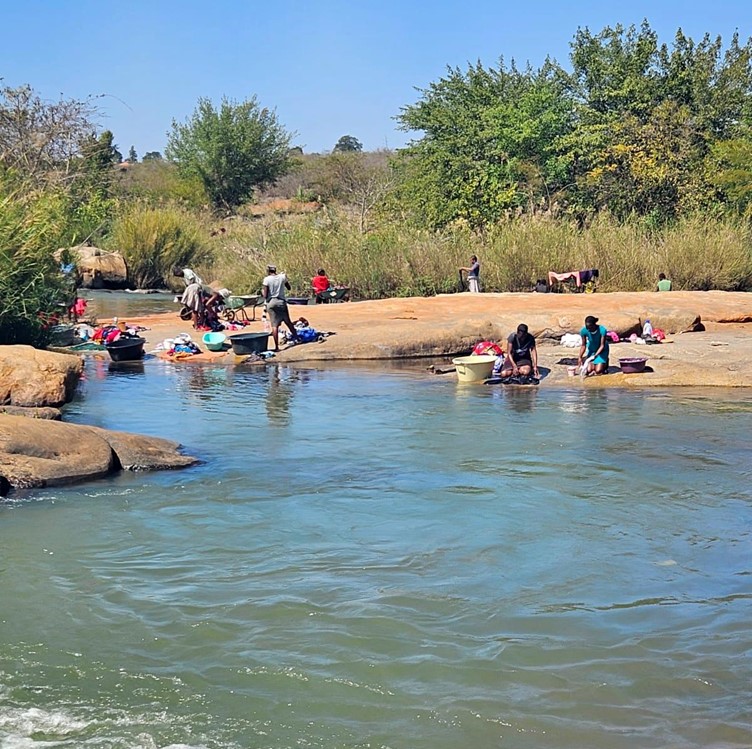
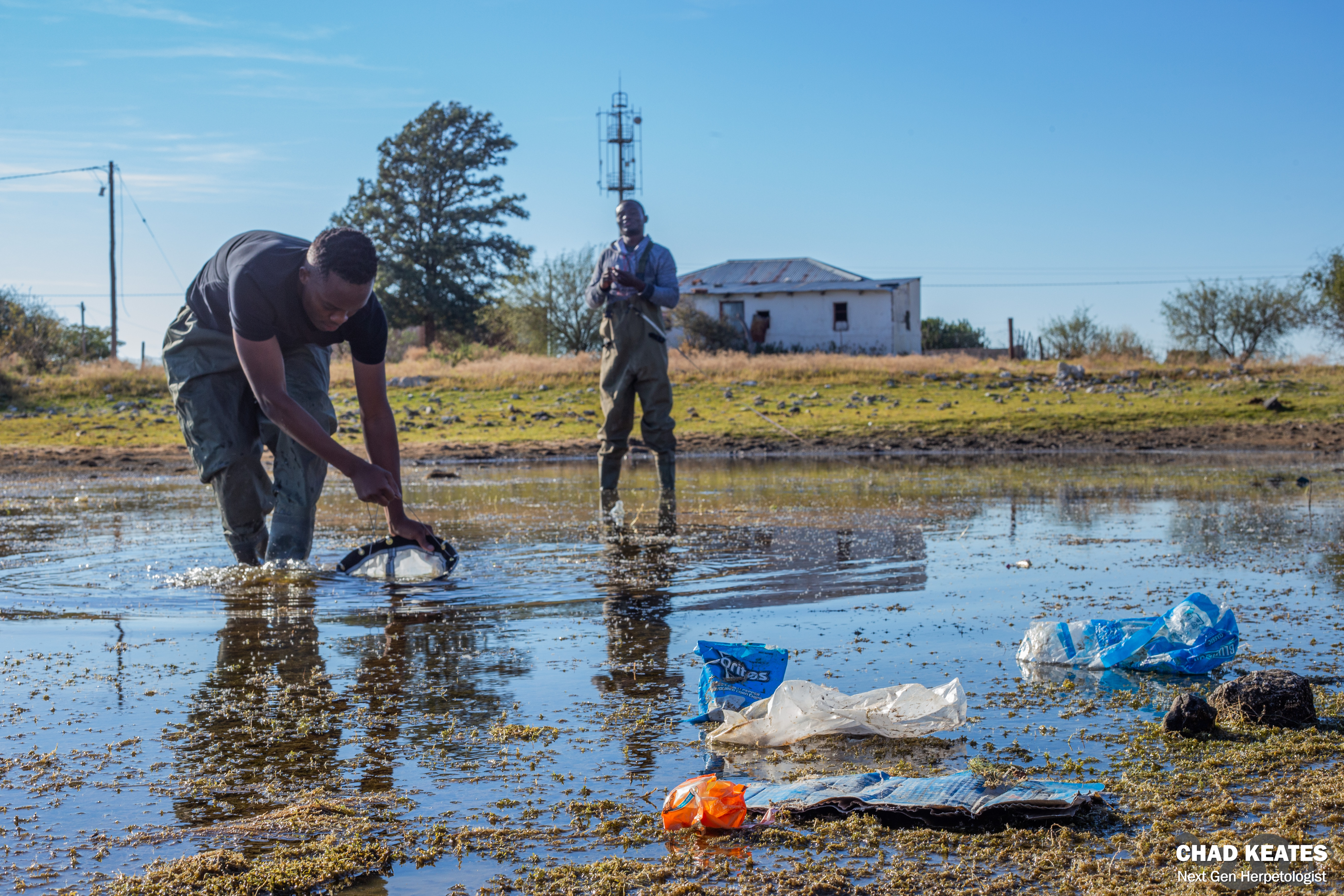
The increasing plastic pollution in aquatic environments is a
global concern due to its detrimental ecological impacts on ecosystem health.
Plastic pollution is a global concern. The global plastic production is
currently at approximately 350 million tons per year. However, only 21 % of
plastic waste is either recycled or incinerated. Most of the remaining 79 % of
plastic waste ends up in landfills and the natural environment. Large plastic
particles may persist and undergo various degradation processes, such as
weathering, photodegradation, and biodegradation, to form smaller particles of
plastic called microplastics. Here, we aim to assess the abundance, distribution, and diversity of plastics in the
natural environment and also try to understand the pro-environmental behaviours of local communities. [Funders: National Research
Foundation, Water Research Commission, European Union]
Carbon Dynamics and Remote Sensing/GIS
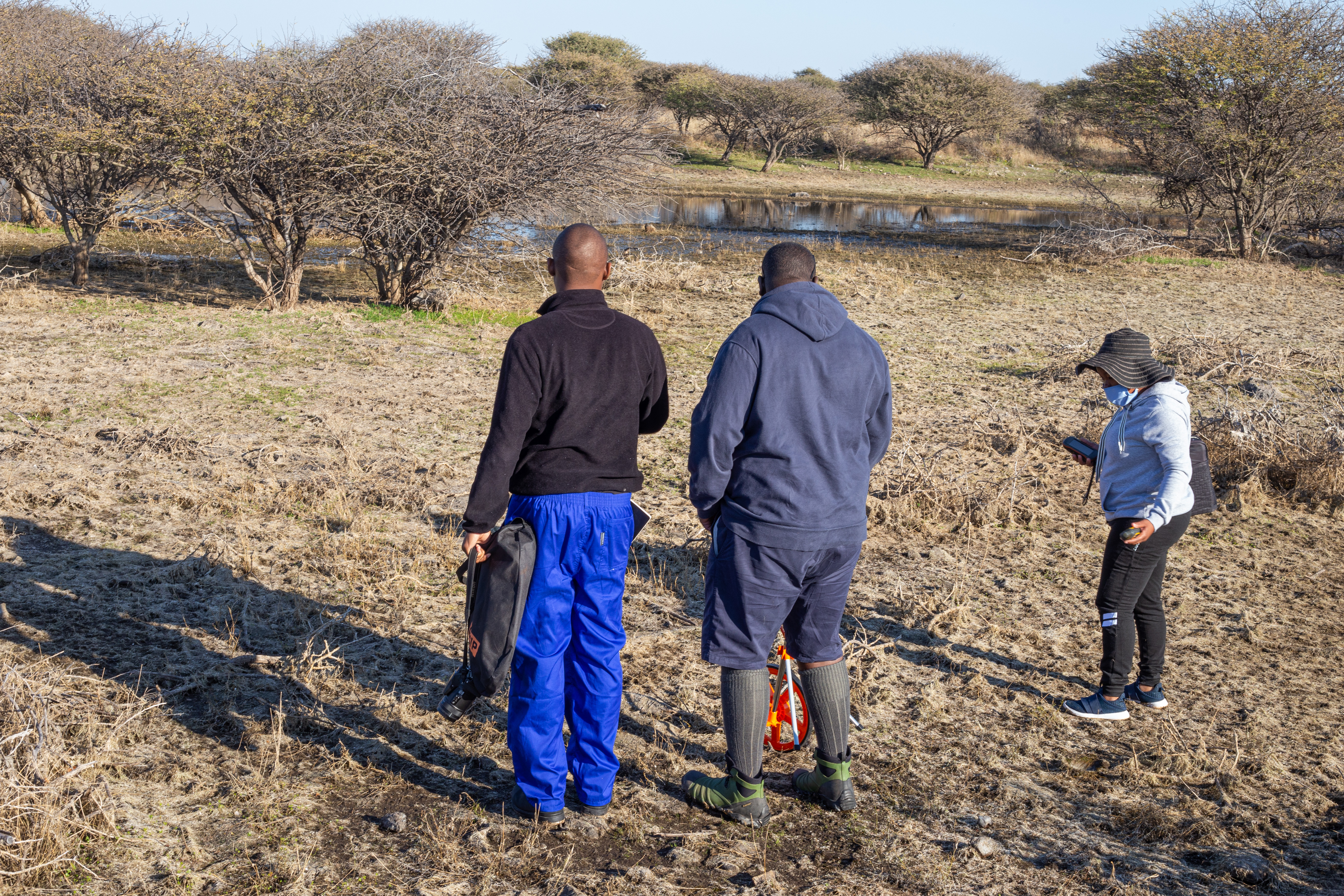
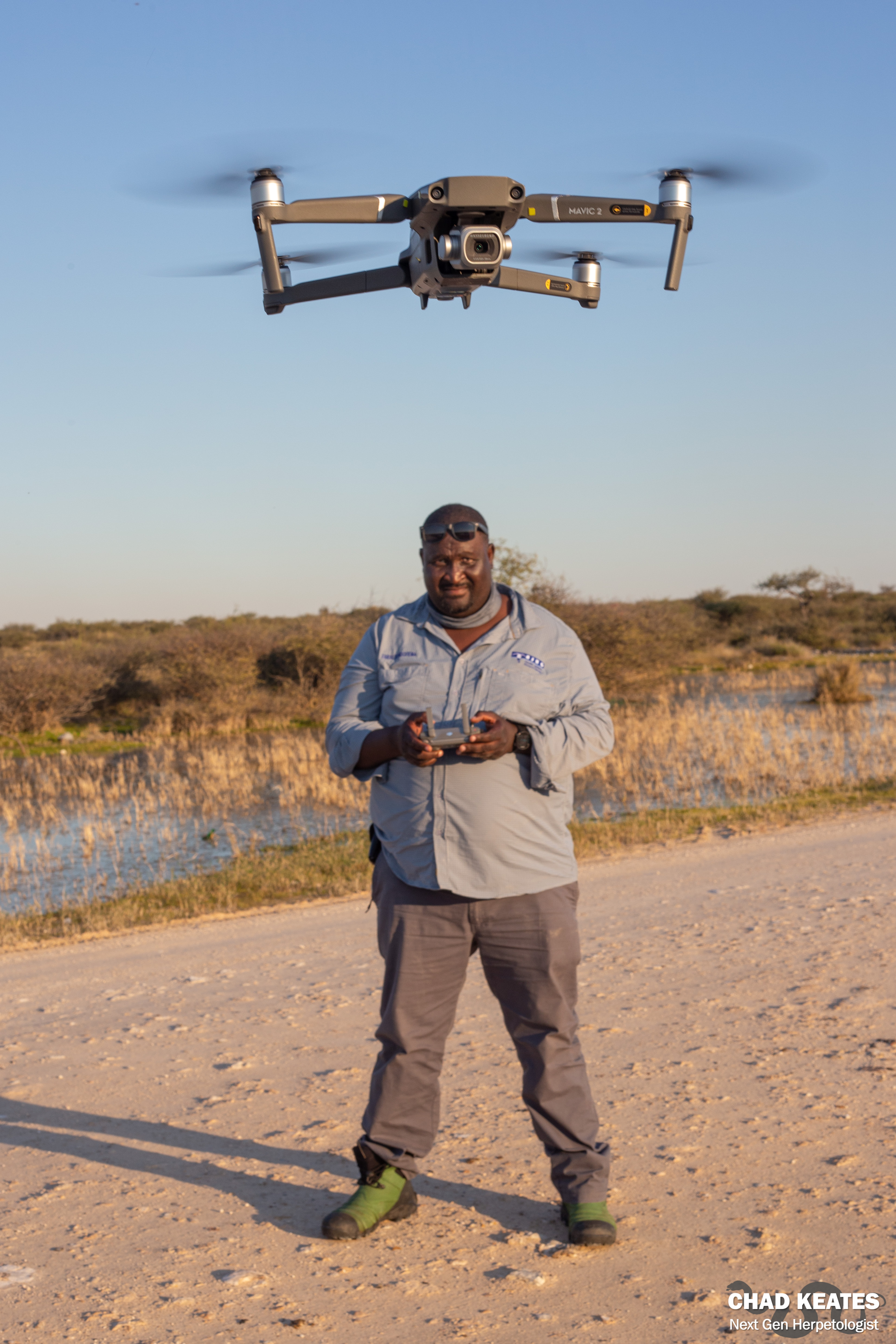
Groundwater is a vital source of freshwater, supporting
socio-economic development and groundwater-dependent ecosystems (GDE) needs.
However, the major challenge with enforcing regulations to monitor GDEs is that
important information about their carbon sequestration potential, species
diversity, and pollution abatement remains largely unknown particularly in
Africa. Using GIS and remote sensing techniques we can map GDEs in inaccessible
areas owing to the high spatial resolution offered by most remote sensing
products. As such, in this study, we propose to use Sentinel-2 imagery to
delineating GDEs in the southern parts of Kruger National Park. In addition, we
will also use GIS and remote sensing techniques to measure the species
diversity and carbon sequestration potential of GDEs around the southern parts
of Kruger National Park. [Funders: Water Research Commission]
Biodiversity and Conservation
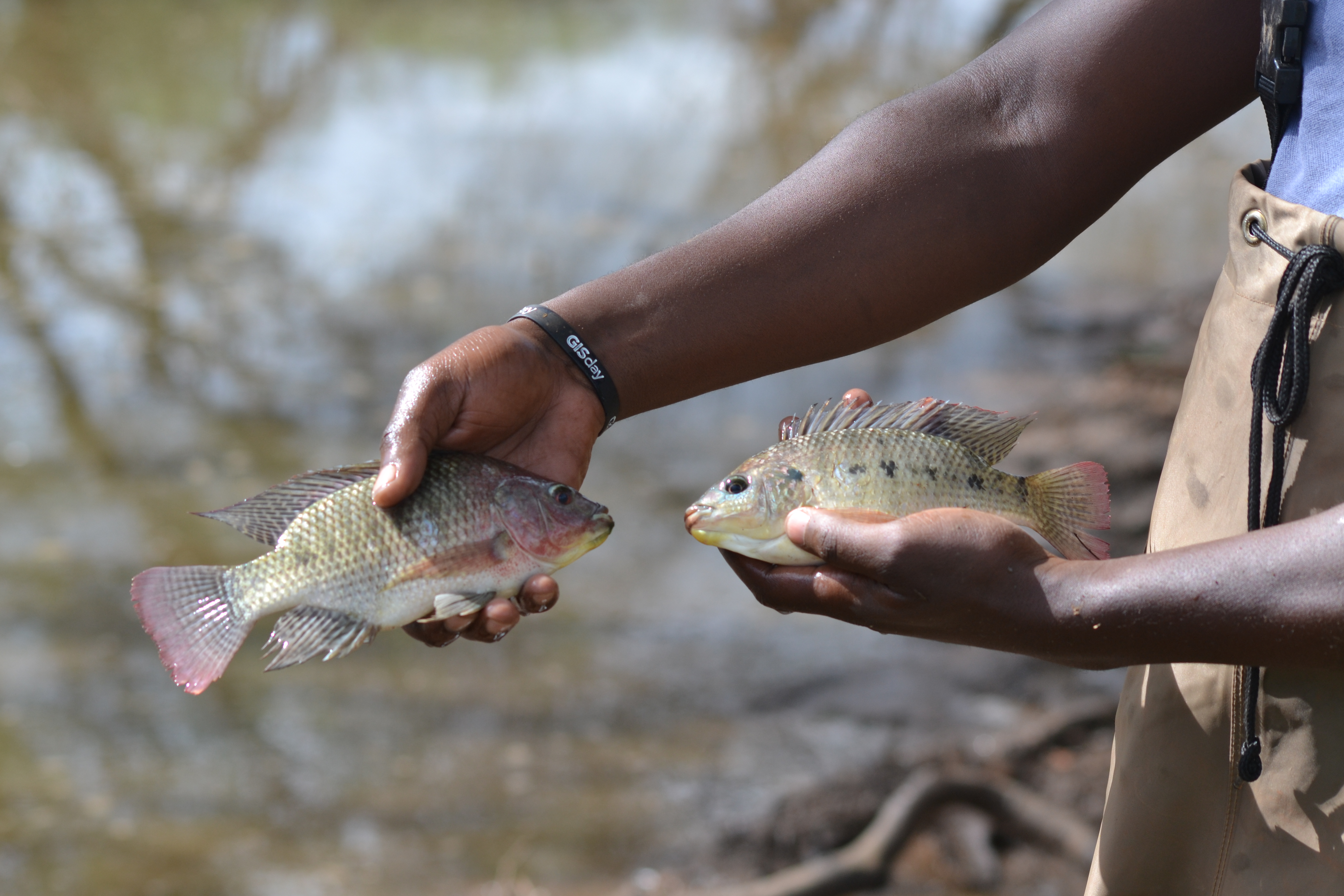
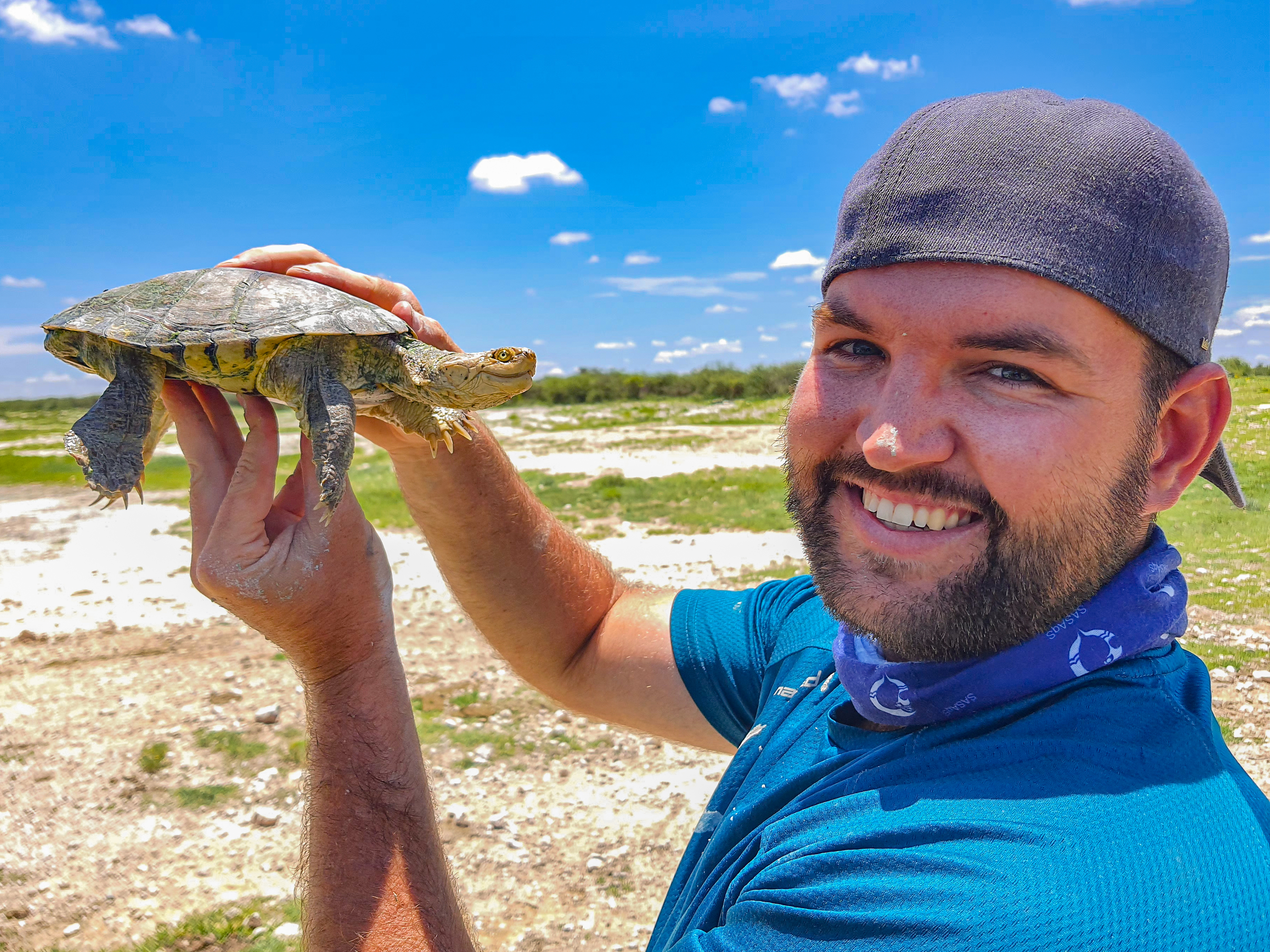
Biodiversity is vital for healthy ecosystems, which provide
us with clean air and water, regulate climate, and offer countless resources.
Research helps us understand these benefits and develop strategies to conserve
them. Biodiversity research investigates the vast variety of life on Earth,
from genes and species to ecosystems. Conservation research focuses on
protecting this biodiversity in the face of threats like habitat loss and
climate change. Since biodiversity loss is happening at alarming rates, with
human activities as the primary driver. This loss disrupts ecosystems and
threatens the natural resources we rely on. Therefore, our research tackles
this biodiversity and conservation challenge from multiple angles through (i) classifying
species, studying their interactions, and uncovering the intricate web of life,
(ii) identifying human activities that harm ecosystems and endanger species and
(iii) creating or providing solutions for managing resources sustainably. [Funders: National Research
Foundation, Water Research Commission. Universities of Mpumalanga and Venda]